Water Damage Restoration Antioch, TN
24/7 water damage restoration in Antioch, TN. The restoration team extracts standing water, dries the structure to the IICRC S500 standard and documents every step for your insurance claim.
(888) 849-5796Leak from upstairs in Antioch? Call now.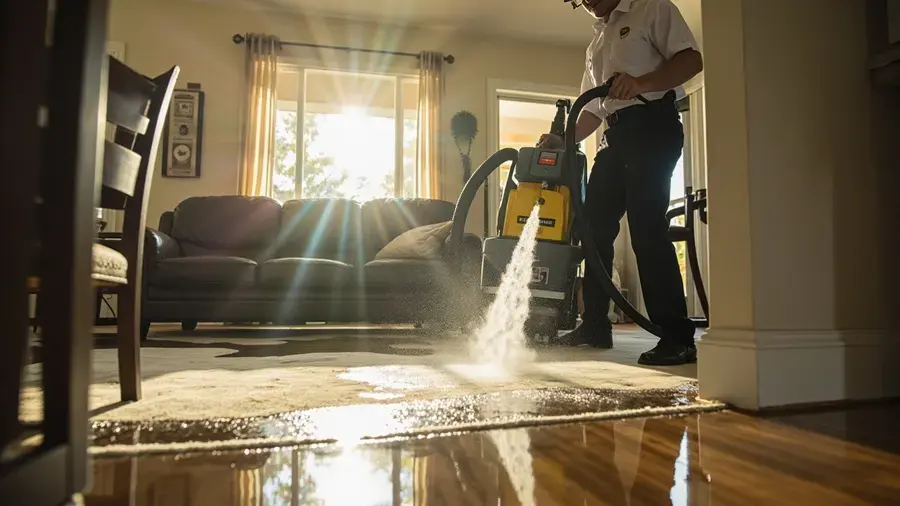
Water Damage Restoration Services in Antioch, TN
From a leak in the unit upstairs to Mill Creek flood water, every service below is water or sewage, dried to the same standard.
 Emergency Water RemovalTruck-mounted extraction pulls standing water before drying starts.See the service
 Apartment Water DamageLeaks traced through stacked units, ceilings and shared walls.See the service
 Ceiling Leak Water DamageWater pockets drained and ceiling cavities dried in place.See the service
 Burst Pipe CleanupFailed supply lines and fittings, walls and subfloor dried.See the service
 Frozen Pipe CleanupExterior-wall and attic lines that split in a hard freeze.See the service
 Slab Leak Water DamageLeaks under slab homes and ground-floor units, floors dried.See the service
 Flood CleanupMill Creek and storm flooding handled as Category 3.See the service
 Roof Leak Water DamageStorm leaks through shingles and flashing, attic dried.See the service
 Water Heater Leak CleanupCloset and attic tanks that rust through and keep refilling.See the service
 Washer Overflow CleanupBurst hoses in upstairs laundry closets, dried to the floor below.See the service
 Toilet Overflow CleanupSorted by category, treated and dried, ceiling below checked.See the service
 AC Drain Line Leak Water DamageClogged condensate lines overflowing closets and ceilings.See the service
 Structural DryingFraming, subfloor and slabs dried to the IICRC S500 goal.See the service
 Sewage Backup CleanupCategory 3 backups contained, removed, treated and dried.See the service
 Commercial Water DamageStores, offices and apartment common areas dried in phases.See the service
What to do while the water is still moving
The first hour decides how much of the floor, the drywall and the ceiling below can be saved.
Shut the water off
Close the fixture valve or the main. In many Antioch apartments the shutoff sits in the water heater closet.
Kill power to wet rooms
Switch off breakers for wet areas, but only if the panel is dry and you are not standing in water.
Stay clear of outlets and sagging ceilings
Water near cords can be energized, and a ceiling holding water can drop.
Photograph before moving anything
Wide shots and close-ups of the water line help the claim later.
Lift rugs and valuables
Get rugs, electronics and papers off the floor and out of the room.
Then call
Extraction inside the 24 to 48 hour window saves the most floor, drywall and ceiling.
In an apartment or townhome
- Tell the property manager or HOA right away, and note the time.
- Knock on the door of the unit above or below; the leak may be theirs or reaching them.
- Photograph your own belongings separately for a renters claim.
- Keep receipts if you have to stay somewhere else while the unit dries.
Drywall, pad and subfloor that stay wet past 24 to 48 hours start to grow mold and usually have to come out.
Water damage dried to the IICRC S500 standard
What separates a finished dry-out from a cosmetic one is the order of the work. The tech who does the walkthrough maps moisture before any equipment goes down, so the drying plan matches what is actually wet, not what looks wet.
- Structural drying, not just surface drying
- Category 1, 2 and 3 water are handled differently
- Class 1 through 4 sets how much equipment a room needs
- Equipment stays until the readings say dry
Map the moisture
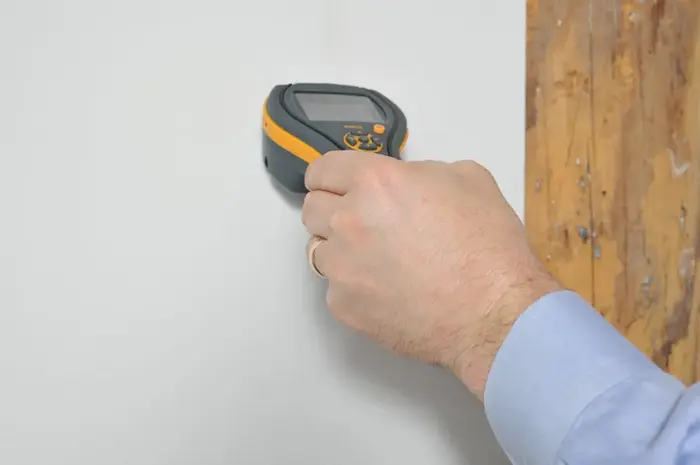
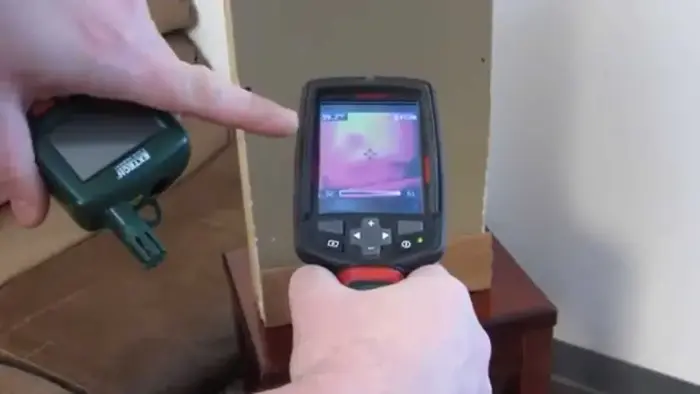
The tech who does the walkthrough finds the source and maps wet drywall, subfloor and ceilings with thermal imaging and pinless meters before any equipment goes down.
Pull the water
The extraction crew removes standing water with truck-mounted or portable extraction, so it leaves the building instead of soaking the next room or the unit below.
Set the drying
The drying team sizes air movers to each room's evaporation load and runs LGR dehumidifiers, with desiccants for dense material.
Read it daily
Readings go into the drying log every day, and the equipment moves to whatever material is still giving up water.
Verify dry
Equipment comes out when the wet material sits within 2 to 4 points of a dry reference, and the logs go into the claim file.
Rapid local response
Antioch water damage pros dispatch around the clock, because water keeps moving into subfloor, drywall and the unit below after dark.
IICRC S500 drying standard
The drying team works to IICRC S500, the industry drying standard: structural drying, not just surface drying.
Claim-ready documentation
A moisture map, daily readings and timestamped photos go into the file an adjuster or property manager reviews.
Southeast Nashville water experts
Stacked apartments, townhome rows, slab homes and Mill Creek flooding are everyday work across Antioch.
All water damage categories covered in Antioch, TN
Clean water
Supply lines, burst pipes, water heaters and washer supply hoses. Usually dried in place when caught early.
Gray water
Washer drain water, dishwashers, toilet bowl water without waste and AC condensate that sat in a dirty pan.
Black water
Sewage, main line backups and Mill Creek or storm flood water. Porous materials are removed, not dried.
Sewage backup cleanup in AntiochHow long an Antioch dry-out takes, and when it is done
Extraction, moisture mapping, removal of anything that cannot dry and the drying equipment set.
Typical for a contained Class 1 or 2 loss with carpet and drywall, with readings logged every day.
Hardwood, concrete slabs, plaster and ceilings with wet insulation give up water slowly.
Equipment leaves when materials sit within 2 to 4 points of a dry reference, not on a schedule.
What does water damage restoration cost in Antioch, TN?
In Antioch, TN, water damage restoration typically runs $1,000 to $15,000 or more: a clean leak caught early in one room at the low end, a multi-unit leak, a flooded ground floor or a sewage backup at the high end.
Contained leak
$1,000 to $3,500- One or two rooms, clean water
- Extraction and in-place drying
- Daily readings
Several rooms or two units
$3,500 to $8,000- Carpet, pad and lower drywall
- Ceiling and wall cavity drying
- Moisture mapping and logs
Category 3 or a whole floor
$8,000 to $15,000+- Flood or sewage water
- Removal of porous materials
- Antimicrobial and full drying
The drivers are the water category, the square footage that got wet, the material class (vinyl and tile versus carpet, drywall and hardwood) and how fast drying started. For a planning number, try the Antioch water damage cost calculator.
Documentation for your insurance claim
A water claim is decided on the file, not on the phone call. A complete file from an Antioch dry-out carries:
- A moisture map from the first walkthrough
- Daily psychrometric and moisture readings in a drying log
- Timestamped photos taken before any demolition
- The category and class of the loss
- A line-item scope of what was removed and dried
In apartments and townhomes, the building owner's policy and each renter's policy usually cover different things, so the file often gets shared with more than one insurer.
A burst supply line is treated differently from a sewer backup or rising flood water. Coverage depends on your policy, so it is worth checking with your own insurer.
Water damage in Antioch, TN: the local risk profile
Antioch grew up from the 1970s on as southeast Nashville's apartment, townhome and subdivision belt, on clay over limestone, with Mill Creek running through it.
- Stacked apartments and townhome rows along Bell Road, Hickory Hollow Parkway and Murfreesboro Pike, where one failed water heater, washer or toilet soaks the unit below.
- Plumbing in 1980s and 1990s buildings that is now 25 to 45 years old, with some polybutylene supply lines still in service.
- Mill Creek, which went over its banks through Antioch in the May 2010 flood and still rises fast in heavy spring storms.
- Long, humid summers that keep air conditioners running for months and clog condensate lines in closets and attics.
- Occasional hard freezes, like the December 2022 cold snap, that split lines in exterior walls, attics and crawlspaces.
Areas served
The restoration team covers ZIP 37013 and PO box ZIP 37011 and the neighborhoods around them, plus Smyrna, La Vergne, Nolensville, Brentwood, Hermitage, Donelson and Crieve Hall.
Central Antioch
- Hickory Hollow
- Bell Road corridor
- Murfreesboro Pike corridor
- Haywood Lane
- Antioch Pike
South and Cane Ridge
- Cane Ridge
- Cane Ridge Road
- Pettus Road
- Old Hickory Boulevard
- Hobson Pike
East toward the lake
- Priest Lake
- Nashboro Village
- Smith Springs
- Anderson Road
- Hamilton Creek
West along Mill Creek
- Blue Hole Road
- Mill Creek
- Lenox Village
- Nolensville Pike edge
Nearby towns
- Smyrna
- La Vergne
- Nolensville
- Brentwood
- Hermitage
- Donelson
- Crieve Hall
- 37013Antioch
- 37011Antioch PO boxes
- 37211Crieve Hall and Lenox Village side
- 37217Priest Lake and Donelson side
- 37086La Vergne
- 37167Smyrna
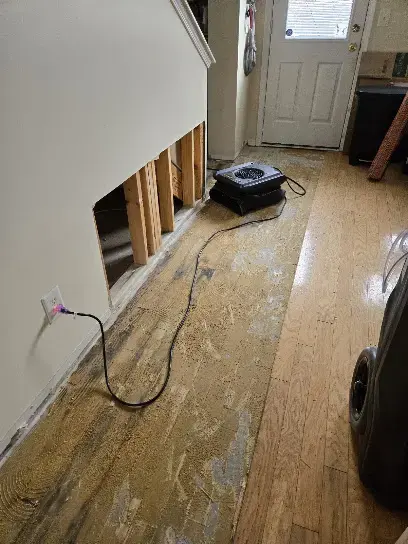
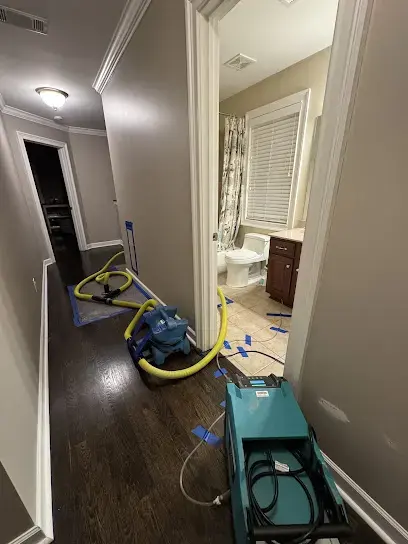
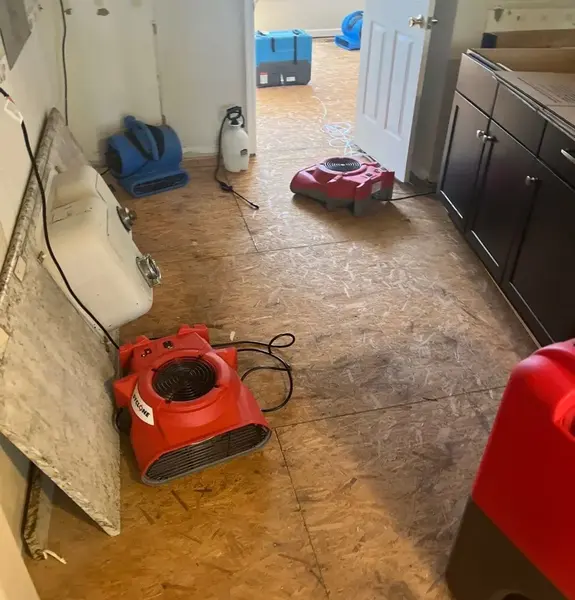
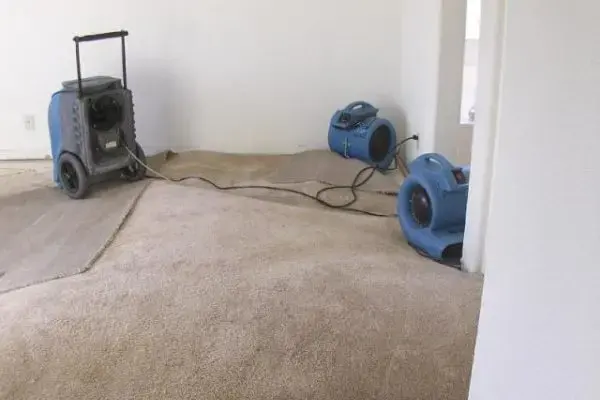
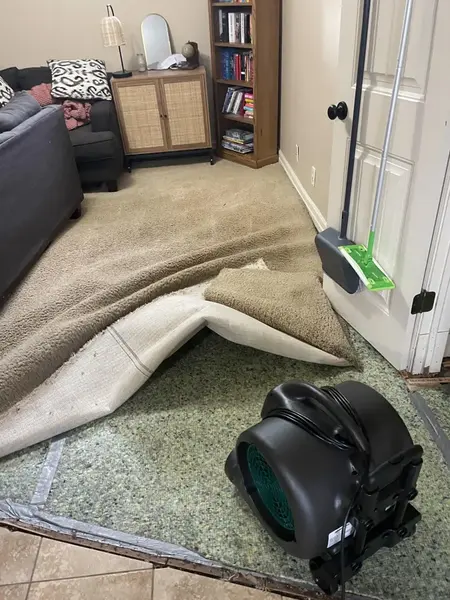
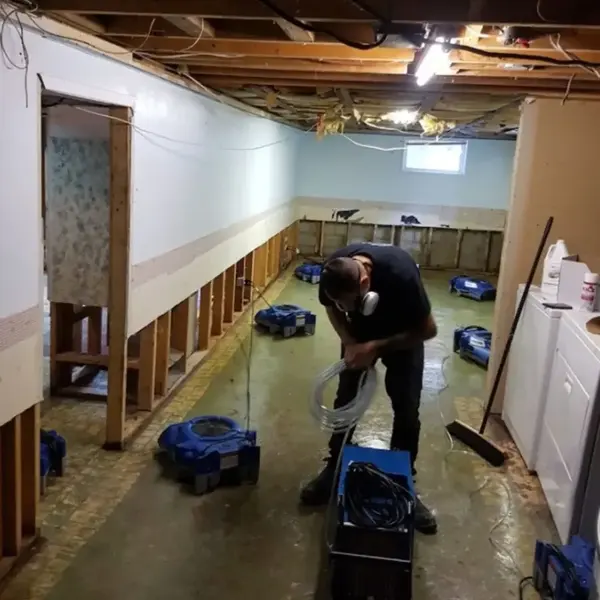
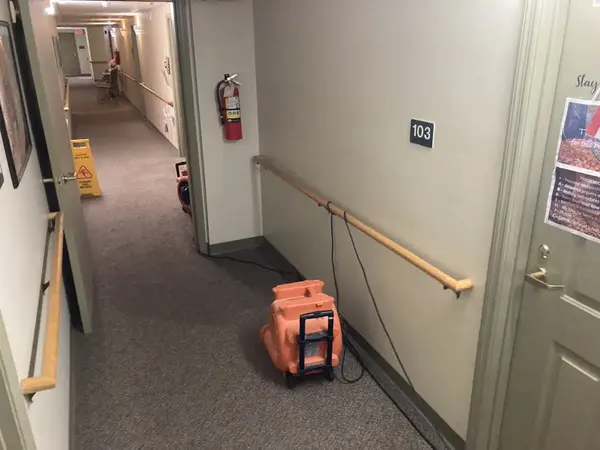
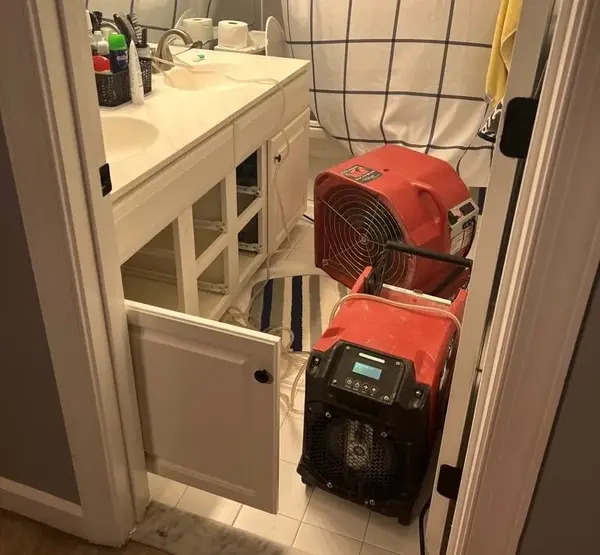
What a water damage dry-out looks like in Antioch
Representative photos of extraction and drying equipment at work.
Antioch water damage questions, answered
How fast can a restoration crew get started in Antioch?
Antioch water damage pros dispatch around the clock, weekends and holidays included. Emergency water calls are treated as urgent, because water keeps moving into floors, walls and the unit below until it is extracted.
What causes most water damage in Antioch?
Leaks between stacked apartment and townhome units, aging supply lines and water heaters in 1980s and 1990s buildings, AC condensate overflows in humid summers, pipes that split in hard freezes and, near Mill Creek, storm flooding.
Who pays when water comes from the unit above?
It depends on the cause and the policies involved. Usually the building owner's policy covers the structure and each renter's policy covers their own belongings. Coverage depends on your policy, so it is worth checking with your own insurer.
Is water damage covered by homeowners insurance in Tennessee?
Sudden water such as a burst pipe or failed water heater is often covered after the deductible. Sewer backup usually needs an endorsement, and rising flood water needs a separate flood policy.
How long does it take to dry a home or apartment?
A contained Class 1 or 2 loss usually dries in three to five days. Hardwood, slabs, ceilings with wet insulation and multi-unit leaks take longer, and equipment stays until the readings reach the drying goal.
What is IICRC S500?
IICRC S500 is the industry standard for water damage restoration: how a loss is classified, how drying is planned and monitored, and how dry is verified against a dry reference material.
What is the difference between mitigation and repair?
Mitigation stops the damage: extraction, removal of what cannot be saved and drying. Repair, like new drywall, paint and flooring, comes after the structure reaches the drying goal.
When does drywall have to come out?
When moisture mapping shows it cannot dry in place, when it has sagged or softened, or when Category 3 water such as sewage or flood water touched it.
Why is sewage handled differently?
Sewage is Category 3 the moment it happens. Porous materials it touched are removed, not dried, and hard surfaces get an EPA-registered antimicrobial before drying.
How is the cost of water damage restoration worked out?
By the water category, the square footage that got wet, the material class and how fast drying started. Each one shows up in the line-item scope that goes to the insurer.
Water in your Antioch home or unit? Call now.
Extraction, drying and claim documentation from Hickory Hollow to Cane Ridge and Priest Lake.